‘All That Holds Between’: A Review
“Even when the mind loses pieces, the body remembers who mattered.”
Life runs efficiently when nothing hurts.
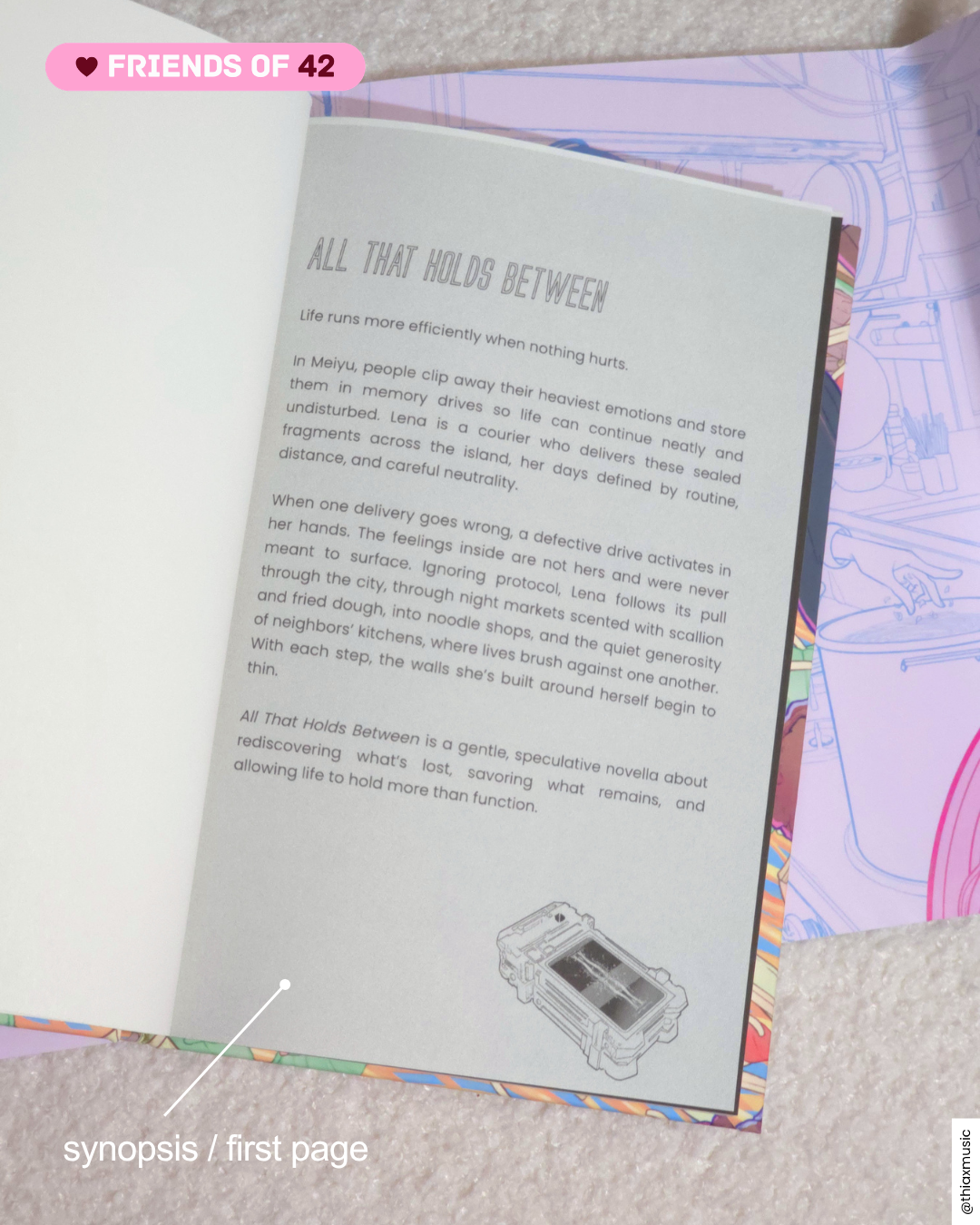
OFFICIAL SUMMARY: In Meiyu, people clip away their heaviest emotions and store them in memory drives so life can continue neatly and undisturbed. Lena is a courier who delivers these sealed fragments across the island, her days defined by routine, distance, and careful neutrality.
When one delivery goes wrong, a defective drive activates in her hands. The feelings inside are not hers and were never meant to surface. Ignoring protocol, Lena follows its pull through the city, through night markets scented with scallion and fried dough, into noodle shops, and the quiet generosity of neighbors' kitchens, where lives brush against one another. With each step, the walls she's built around herself begin to thin.
All That Holds Between is a gentle speculative novella about rediscovering what's lost, savoring what remains, and allowing life to hold more than function.
What is speculative fiction?
I asked myself this question when I first read the details about the book—is the genre supposed to make you think about something deeper? Initially, I thought I’d never read anything of this genre in the past, but upon further research I realized speculative fiction is actually quite broad: it is an umbrella term that encompasses all subgenres that depart from strict realism, instead exploring “what if” scenarios, imagining fantastical or futuristic worlds, technologies, or supernatural elements that do not exist in our everyday reality. Some well-known titles of this genre include ‘The Handmaid’s Tale’ (Margaret Atwood), 1984 (George Orwell), Never Let Me Go (Kazuo Ishiguro), Dune (Frank Herbert), Parable of the Sower (Octavia E. Butler) and Three-Body Problem (Liu Cixin), among others.
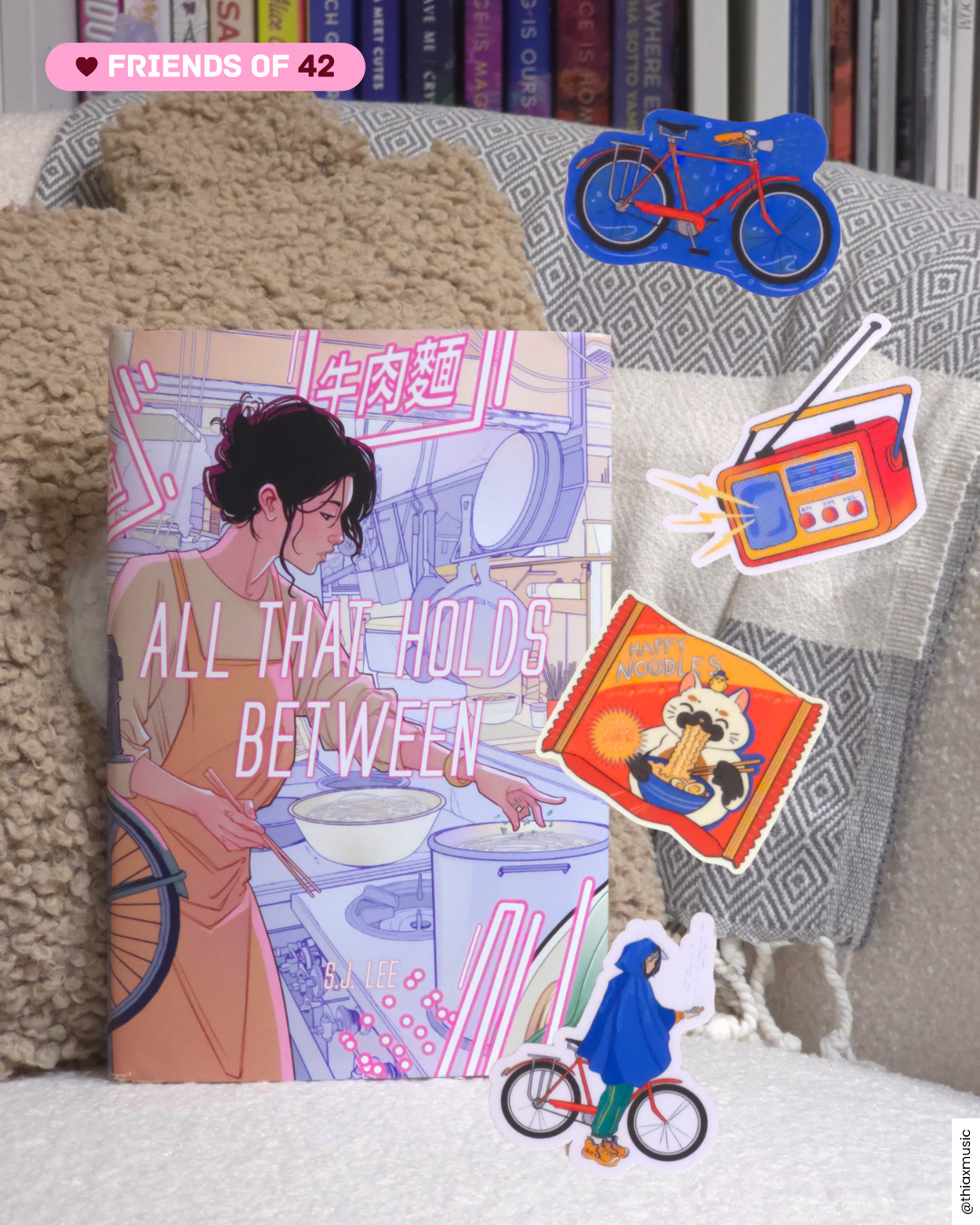
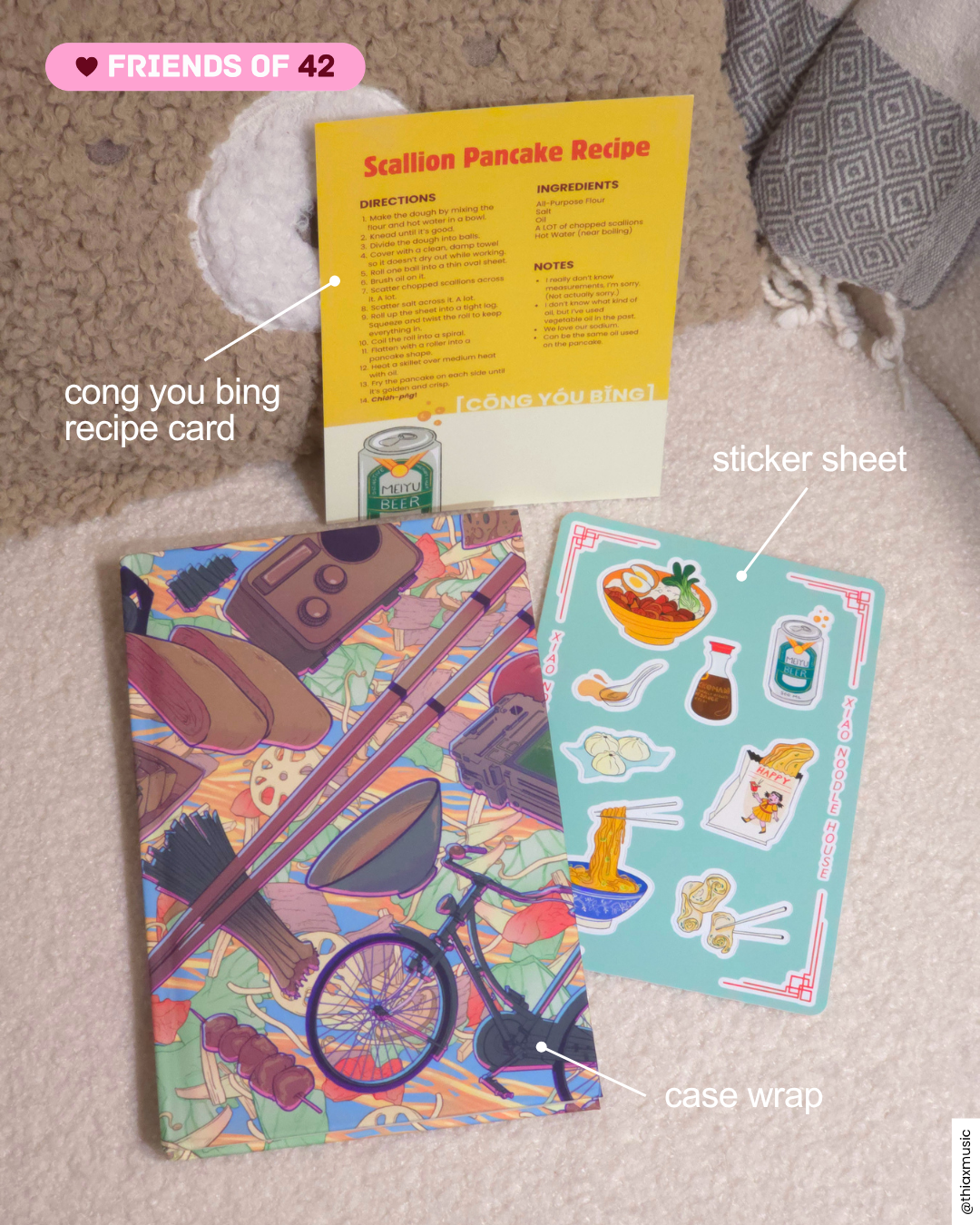
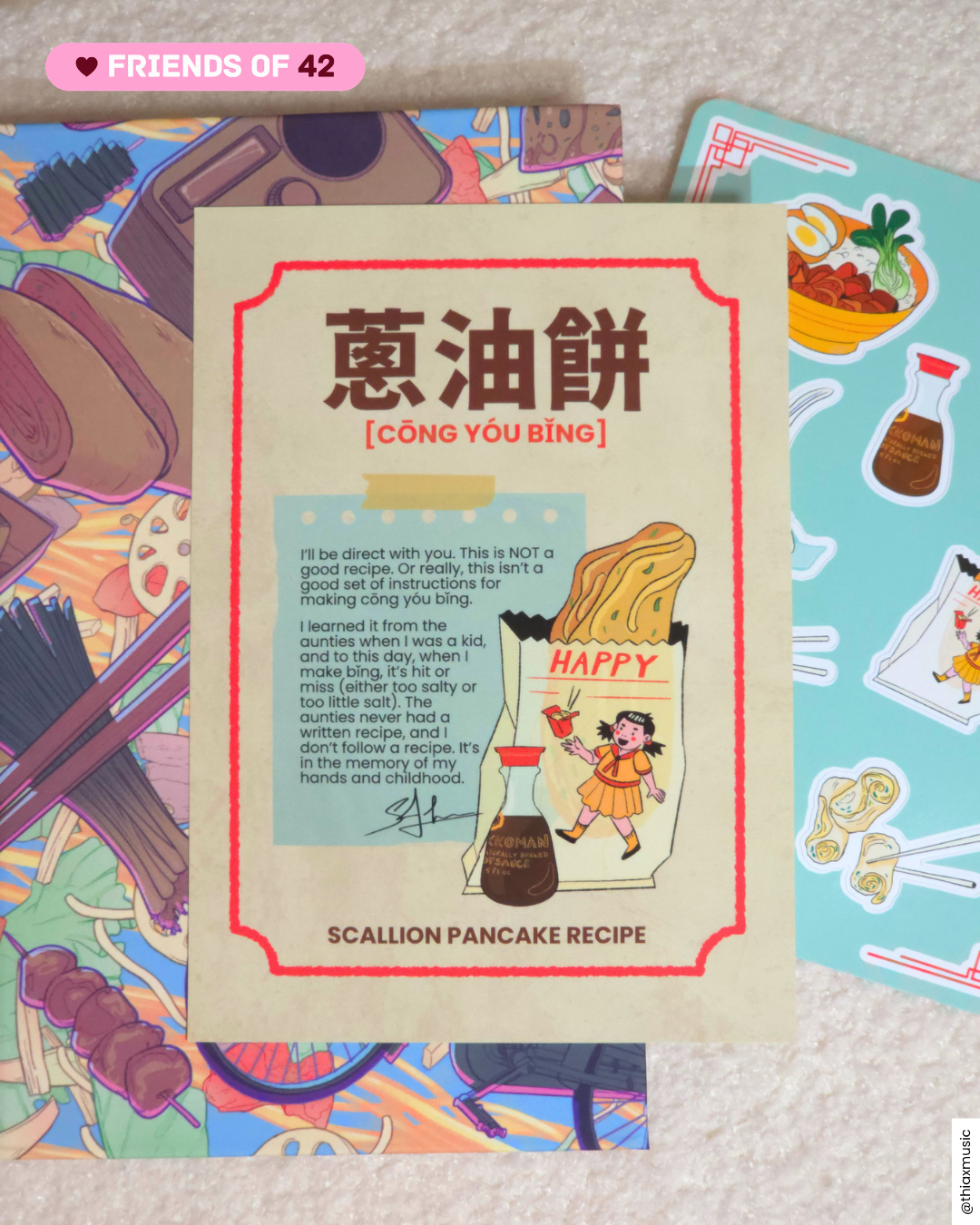
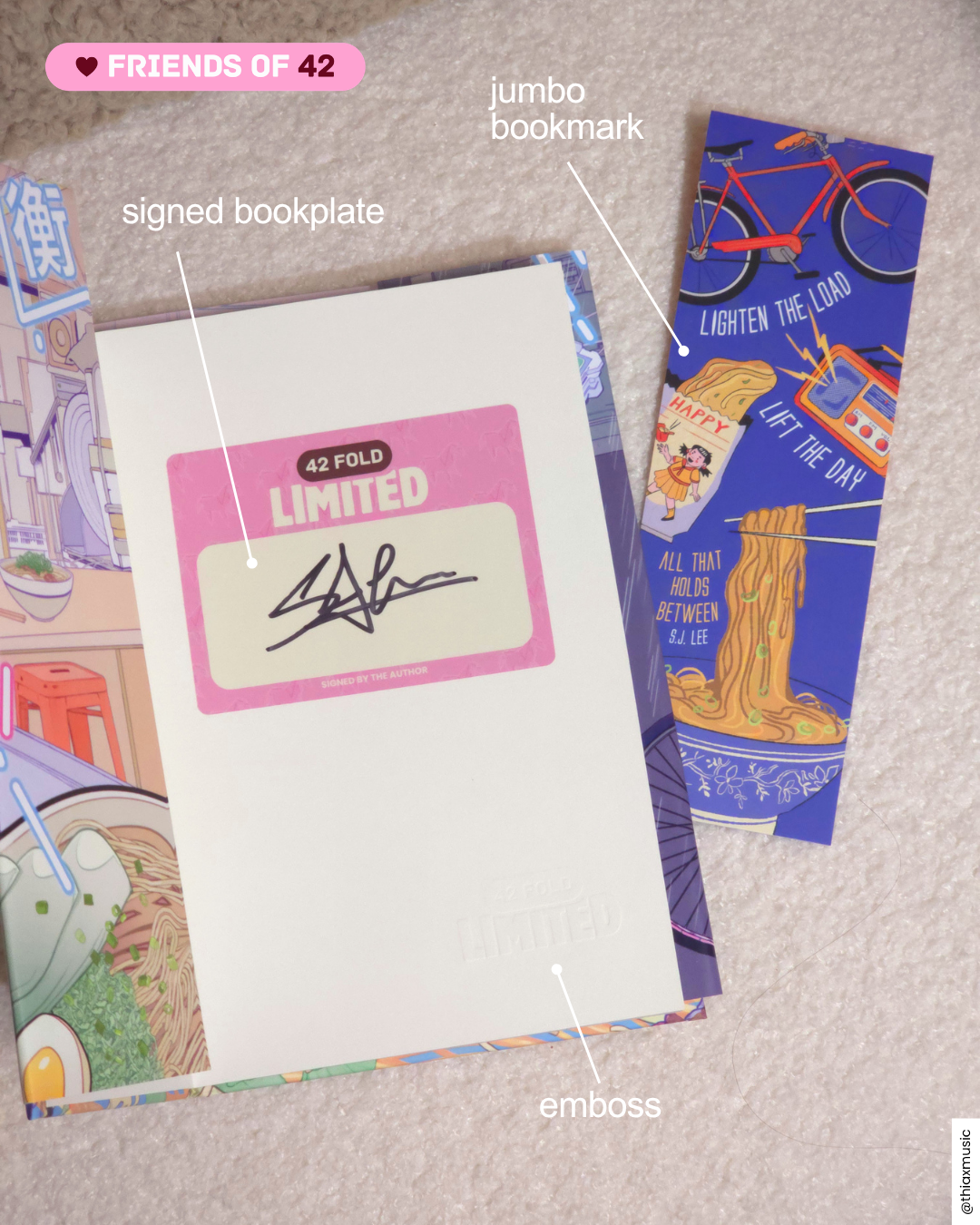
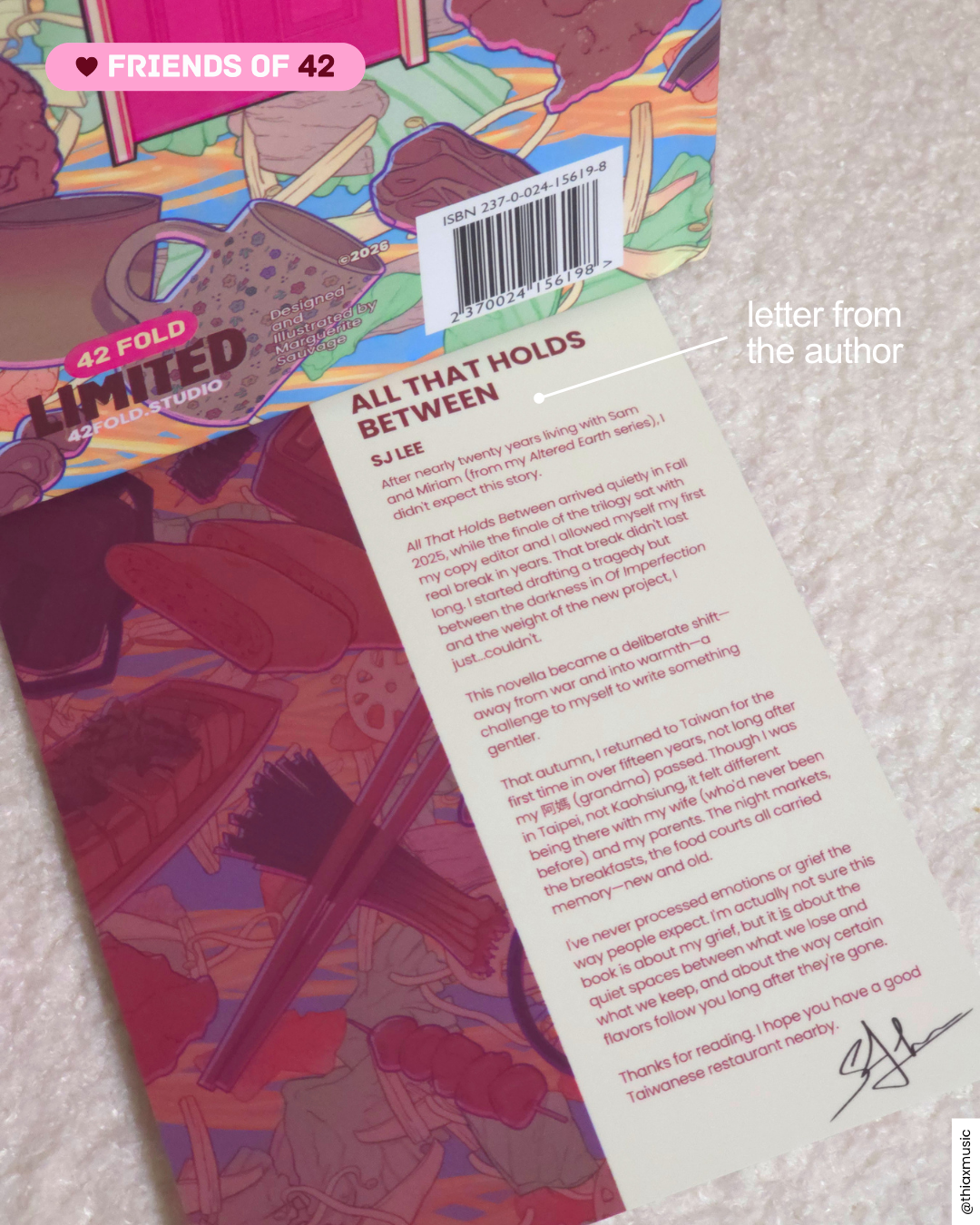
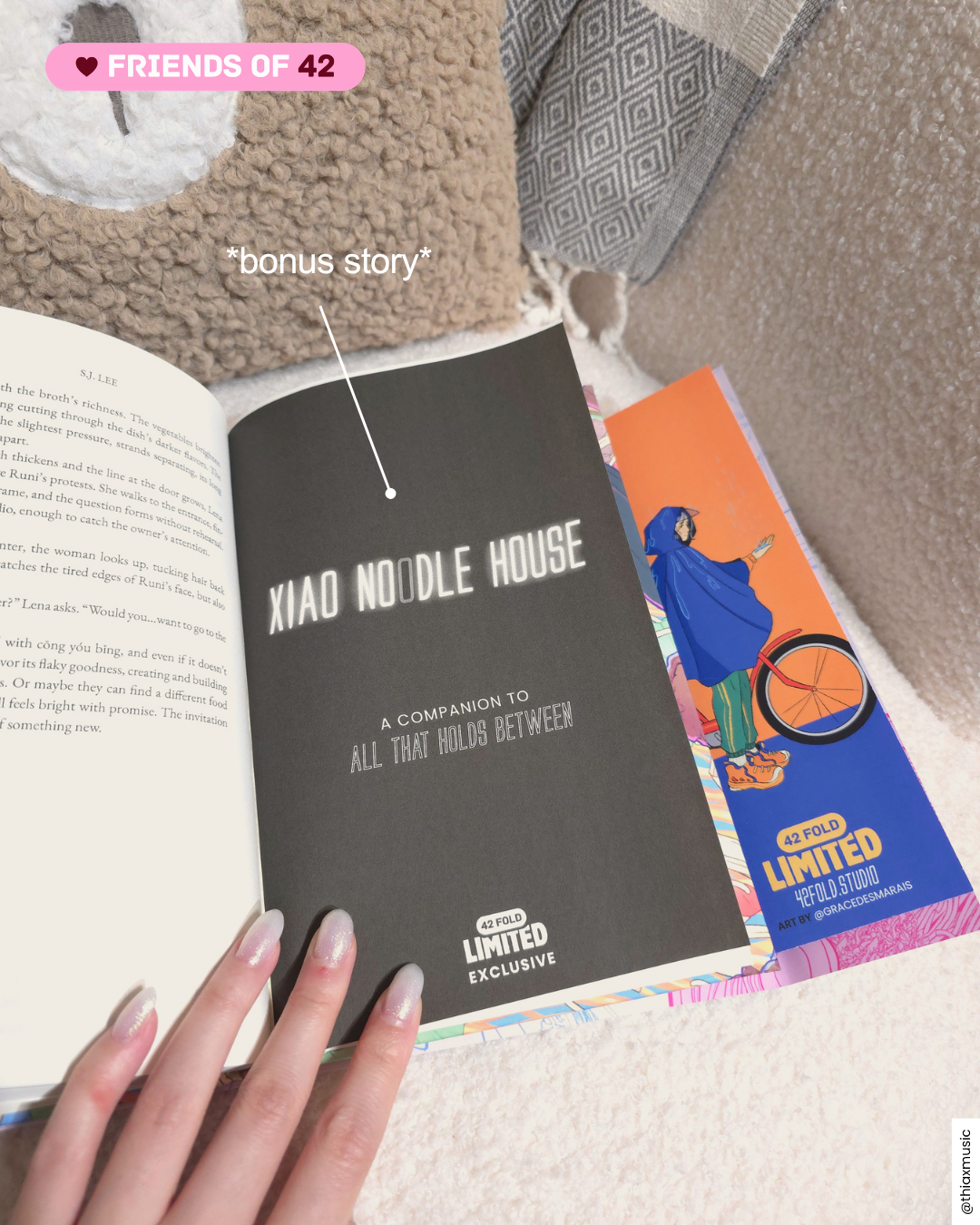
We love limited editions & merch packages!
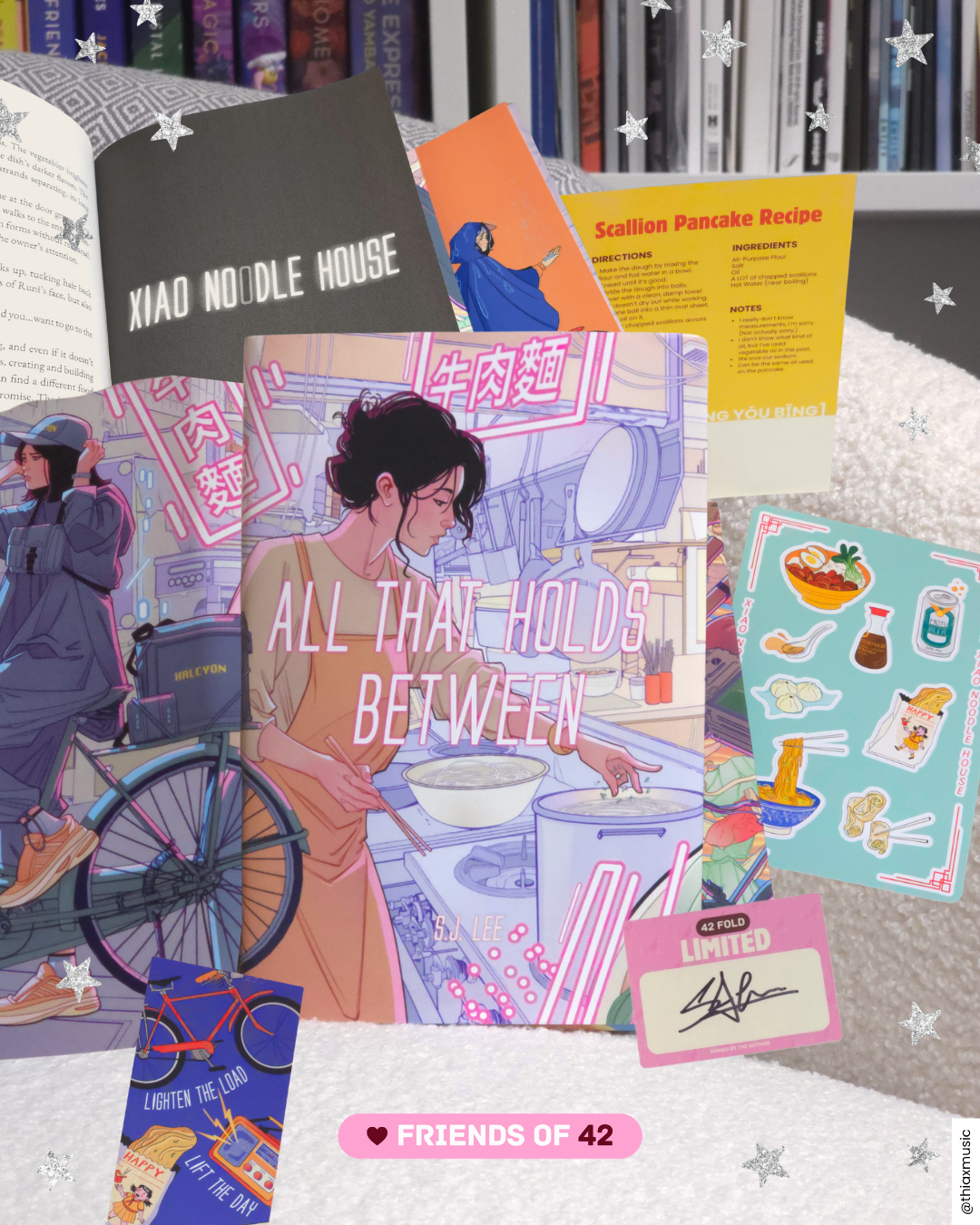
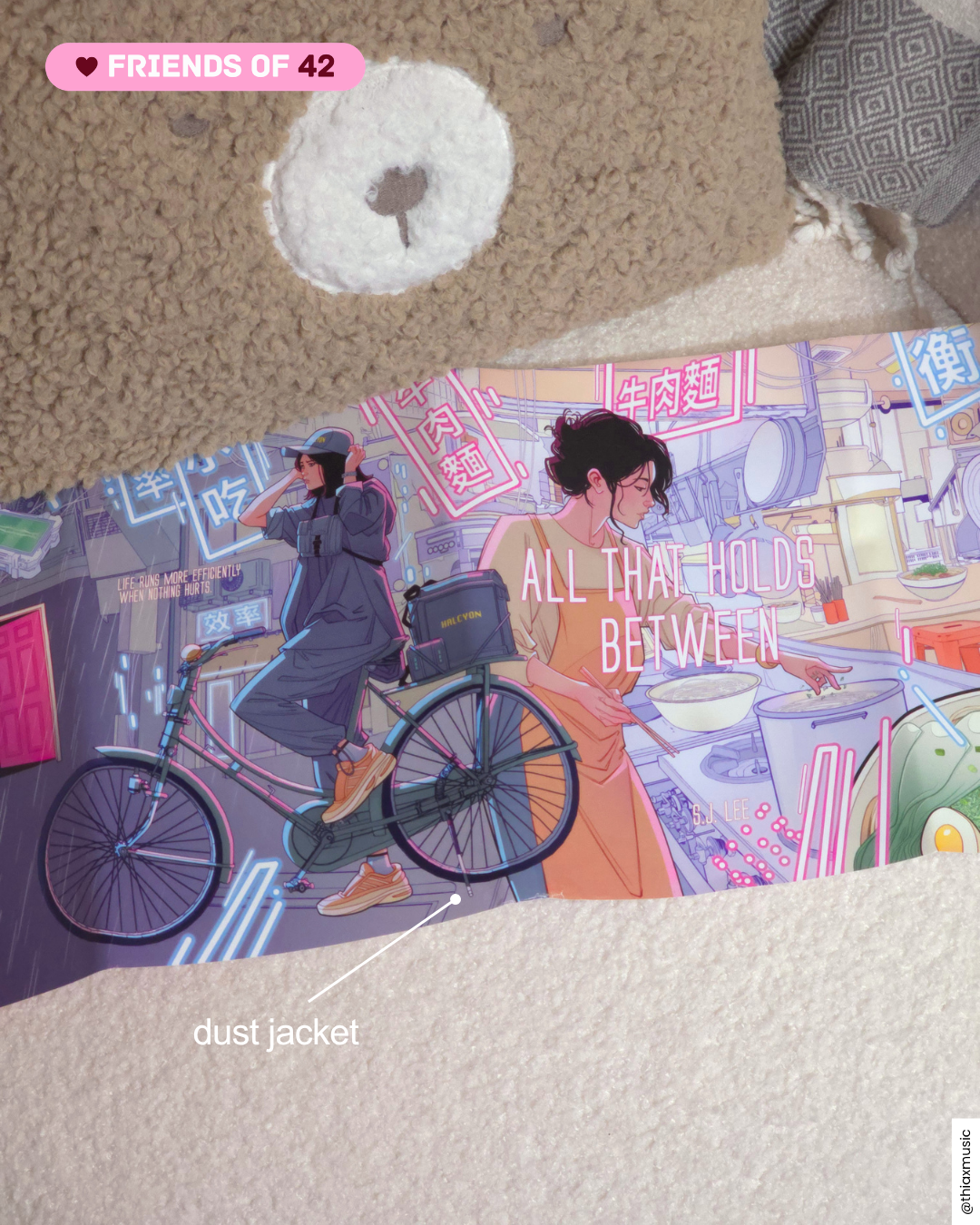
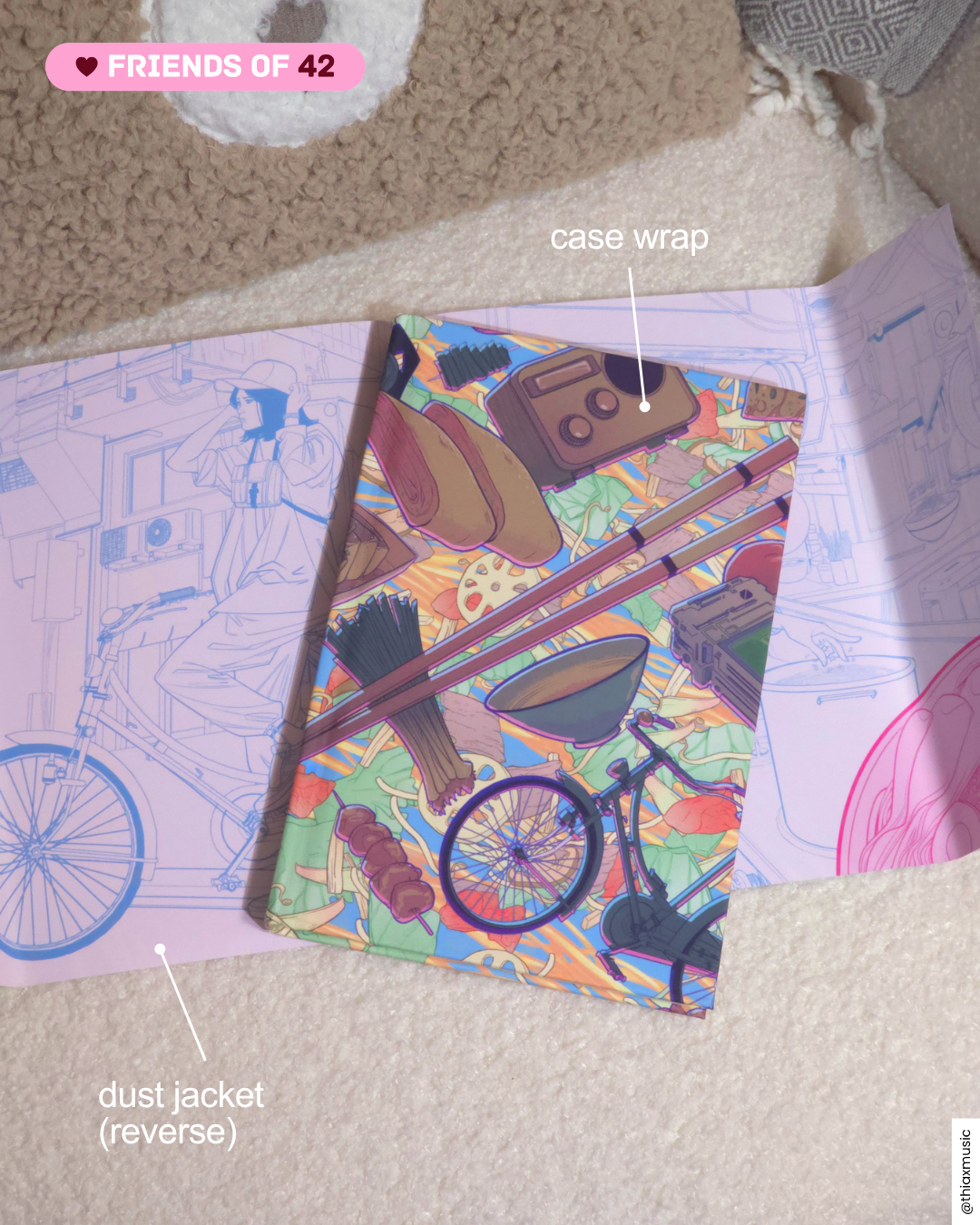
Firstly, a huge thank you to 42Fold for sending me a PR package of this novella, the first of their 2026 limited edition releases. It was such a fun unboxing experience (see video below 🤭). Included in the PR package was the book with its beautiful reversible dust jacket and heavily food-inspired case wrap, as well as some additional goodies: die cut stickers, sticker sheet, jumbo bookmark, letter from the author, signed bookplate, and even a “recipe” for scallion pancakes/cong you bing! The team puts so much heart into preparing these sets for us readers, and I think the merch only helps form a stronger connection to the book and makes the reading experience just that much more memorable.
This limited edition also includes a bonus chapter, written in deuteragonist Rumi’s perspective of the events that unfolded.
My Thoughts
As soon as I cracked open the book to read the first page, I was transported to the island town of Meiyu (which looked a lot like Hong Kong in my mind). Lee writes with immense sensory details which lends itself well to the fantastic world-building. Initially I struggled with the slow-paced, contemplative writing because I’m so used to things progressing quickly, not lingering on the little details like Lee does. But then I realized that’s the whole point! It’s definitely one of those books where you really need to sit with it, reading it with a lot of intentionality. I already know that each re-read will be different as you notice different things every time.. or maybe the words will take your mind somewhere else that reflects your current state of being. Think of it as a vacation, where a place feels different every time you visit it, even if you’ve travelled there multiple times before. That’s the feeling I get from this book.
Maybe it’s because of how my brain works (i.e., not science-y), but it took me a while to understand how the memory clipping system worked—I had to read it a few times through to grasp it. This system is central to the story and how Meiyu operates at large, encouraging its citizens to remove and store (or sometimes even discard) unwanted memories in order to become more emotionally balanced/regulated and “functional” (see, I DID end up getting it 😛).
Prominent themes include grief, loss of self-identity, and human emotions. They are an important part of you—of the human experience—no matter how much they hurt. It’s as Tennyson wrote: “'Tis better to have loved and lost than never to have loved at all.” But the thematic core of the novella is FOOD, which is strongly tied to memories:
“Autobiographical memories activated by the senses, particularly smell and taste, can be among the most potent and influential, an experience labelled the Proust Effect. Contemporary research has helped to explain the physiological, neurological, and psychological reasons underlying this phenomenon. Nostalgic memories triggered by taste and smell are especially self-relevant, arousing, and familiar.” (Source: Green, J. D., Reid, C. A., Kneuer, M. A., & Hedgebeth, M. V. (2023). The proust effect: Scents, food, and nostalgia. Current opinion in psychology, 50, 101562. https://doi.org/10.1016/j.copsyc.2023.101562)
Without spoiling too much, a memory rich with smell and taste is the catalyst that starts our protagonist on her quest to search for the source of nostalgia and happiness she felt when encountering the memory. Food is also what brings her closer to other people in her life.
Overall, I enjoyed the story (even though it took me a bit to get into), especially those final chapters that made it all worth it. And a tip to readers: make sure you’re not reading on an empty stomach because this book WILL make you hungry, especially for traditional Chinese foods!
What you can expect:
🍃 Sensory & atmospheric writing
❤️🩹 Grief & memory
💭 Human emotion
🍜 Lots of mouth-watering food|
🏳️🌈 Light queer romance
About the Book
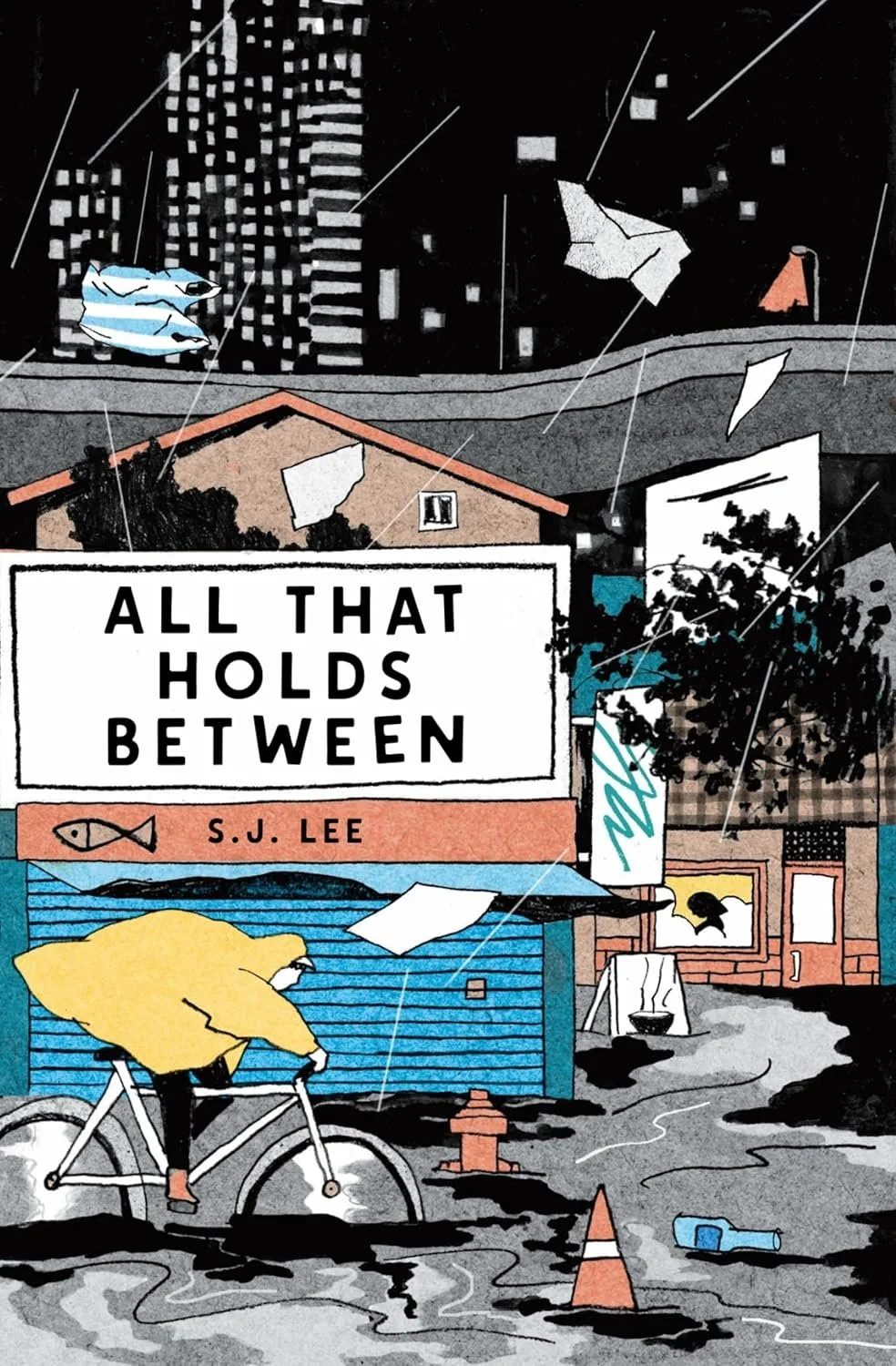
Title: All That Holds Between
Author: S.J. Lee
Publication date: April 7, 2026
Publisher: Self-published; special edition published in collaboration with 42Fold Limited
No. of pages: 120 (standard edition) / 136 (special edition)
My Rating: ★★★★
Fable | Goodreads | Instagram

In Meiyu, citizens store away their heaviest emotions in memory drives in order to live a more balanced life. When the courier Lena accidentally activates a defective drive, she follows the emotions emanating from it through the vibrant island city, while the walls she’s put up slowly begin to break.